
In an era where energy efficiency is highly prized, modern homes are built to operate as airtight fortresses. While this tightly sealed construction works wonders for keeping our heating and cooling bills manageable, it inadvertently creates a significant side effect: indoor air pollution. When a home lacks adequate natural respiration, it traps allergens, chemical off-gassing from synthetic materials, and biological contaminants inside our daily living spaces. According to environmental studies, the air inside our homes can often be significantly more polluted than the air outside, leading to a host of respiratory issues, chronic fatigue, and exacerbated seasonal allergies.
However, achieving a pristine environment does not require a massive, bank-breaking structural remodel. Balancing your family’s health with your household budget is entirely possible when you rely on strategic, high-impact interventions. Rather than gutting rooms or tearing down walls, homeowners can utilize cost-effective insider tactics that address the root causes of indoor pollution.
The most effective way to tackle this project is by creating a systematic, room-by-room strategy. By auditing your home from the basement to the chimney, you can identify hidden health hazards—such as trapped dust, lingering chemicals, and hidden moisture—and address them methodically. In the following sections, we will break down the most effective hacks for purifying your environment, ensuring your home remains a safe, non-toxic sanctuary for your entire family.
Optimize Climate Control for Pure, Breathable Air

The respiratory system of your home is its HVAC network. The air you breathe is constantly being pulled through return vents, conditioned, and pushed back out into your living spaces. If this system is compromised or dirty, you are simply recycling contaminated air 24 hours a day.
Eradicate Circulating Dust and Pet Dander
Homeowners often mistakenly believe that changing their standard fiberglass air filter every few months is enough to keep their home’s air clean. Unfortunately, standard filters fail to capture the microscopic particulates lining the network of your ventilation shafts.
-
Audit Your Registers: Remove the covers from your floor and ceiling registers. If you see a thick carpet of gray dust, pet hair, and debris coating the metal walls just inside the duct, that identical debris is being distributed into your bedrooms every time the blower turns on.
-
Extract Deep Contaminants: To truly reset your indoor air quality, the most effective hack is to hire a reputable local air duct cleaning company to extract decades of accumulated construction dust, pet hair, and dormant mold spores. This deep-cleaning process removes the biological matter from the shafts before it can be blown back into your living environment, instantly reducing airborne allergens and household dusting chores.
Prevent Carbon Monoxide Leaks and System Strain
Indoor air quality is not just about filtering out dust; it is crucially about preventing toxic gases from entering your home. A struggling heating system can silently introduce dangerous exhaust into your breathing air if left unchecked.
-
Listen and Smell for Warning Signs: You must actively monitor your system during the first cold snap of the year. Listen for rattling blowers or grinding noises, and pay close attention to any metallic or burning odors emanating from the vents. These are clear indicators that the internal components are struggling or failing.
-
Address Vulnerabilities Immediately: Ignoring these signs puts your family at risk of exposure to carbon monoxide—an odorless, colorless gas that leaks from cracked heat exchangers. Highlighting the critical safety aspect of your HVAC system means addressing these warning signs immediately with professional furnace repairs. Fixing a cracked exchanger or a failing blower motor prevents toxic exhaust from silently leaking into your home, ensuring your indoor air remains safe and breathable.
Eliminate Hidden Toxins from Furniture and Fixtures

We spend the majority of our downtime sitting on upholstered furniture and interacting with the fixtures in our home. Over time, these surfaces absorb a staggering amount of biological matter and can become sources of chemical off-gassing if updated improperly.
Extract Deep-Seated Biological Contaminants
Vacuuming your living room sofa may remove the visible crumbs and surface pet hair, but it does absolutely nothing to address the microscopic ecosystem thriving beneath the fabric.
-
Understand the Hidden Hazards: Standard surface vacuuming leaves behind millions of embedded dust mites, dead skin cells, and trapped pollen deep within sofa cushions, reading chairs, and mattresses. Every time you sit down, a microscopic plume of these allergens is pushed into the air you breathe.
-
Revitalize and Sanitize Fabrics: Instead of throwing out expensive furniture, the cost-effective insider hack is to utilize professional upholstery services for deep hot-water extraction. This process uses specialized equipment to inject boiling water and safe cleaning agents deep into the padding, extracting the biological contaminants and instantly revitalizing the fabric’s appearance. It thoroughly sanitizes the most frequently used surfaces in your home, dramatically reducing indoor allergy symptoms.
Refinish Metal Surfaces Without Harmful VOCs
When homeowners want to update old, chipped metal surfaces—such as vintage radiators, metal stair railings, or outdated metal kitchen cabinets—they often reach for cheap aerosol spray paints. This is a massive mistake for indoor air quality.
-
Avoid Toxic Off-Gassing: Traditional, high-VOC (Volatile Organic Compound) spray paints release harmful chemicals into the air for weeks after application. This off-gassing can cause severe headaches, dizziness, and respiratory irritation, completely ruining your indoor environment.
-
Utilize Magnetic Bonding Technology: The ultimate insider hack for flawlessly updating metal surfaces is to use interior electrostatic painting services. This specialized process gives the paint a positive electrical charge while grounding the metal object, causing the paint to magnetically bond to the surface. The result is a durable, factory-smooth finish with absolutely zero overspray and minimal toxic fumes, allowing you to modernize your home without compromising your air quality.
Neutralize Hard Water and Seal Out Moisture
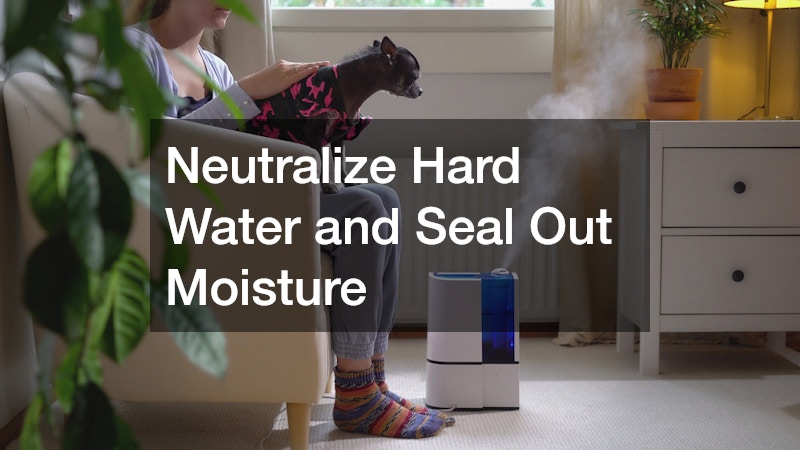
Water quality and moisture control are critical components of a healthy home. Hard water wreaks havoc on our skin and plumbing, while uncontrolled moisture provides the perfect breeding ground for toxic biological growth behind our walls.
Protect Your Skin and Plumbing from Mineral Buildup
Millions of homes are supplied with hard water, which contains high levels of dissolved calcium and magnesium. While generally safe to drink, hard water is incredibly abrasive to both your body and your house.
-
Identify the Symptoms of Hard Water: If you constantly battle rigid, white soap-scum buildup inside your showerheads, spotty drinking glasses, or find that your family suffers from chronic dry scalp and exacerbated eczema, hard water is the likely culprit. The minerals create microscopic abrasions on the skin and leave a residue that traps bacteria.
-
Implement a Whole-House Solution: Installing a specialized filtration system acts as a comprehensive health upgrade. A professional water softener installation removes these abrasive minerals before they ever enter your home’s pipes. This provides purified, soft water that protects your family’s skin and hair, reduces the need for harsh chemical bathroom cleaners, and significantly extends the lifespan of your internal plumbing and water heater.
Patch Permeable Walls to Stop Mold Growth
Moisture intrusion from the outside of your house will eventually impact the inside air quality. When water seeps through permeable exterior walls, it becomes trapped behind the drywall, creating the perfect environment for toxic black mold to thrive unseen.
-
Inspect for Hidden Moisture Intrusions: Take the time to carefully inspect your interior corners, areas around window frames, and basement stairwells. Look for bubbling paint, peeling wallpaper, or dark, damp spots that feel colder than the rest of the wall. These are telltale signs that exterior moisture is penetrating the building envelope.
-
Cut Off the Water Supply at the Source: You cannot solve an interior mold problem without fixing the exterior breach. It is necessary to bring in skilled stucco contractors to properly seal exterior masonry cracks, patch damaged cladding, and apply waterproof coatings. By sealing the envelope from the outside, you cut off the moisture supply that mold requires, effectively protecting your indoor breathing environment.
Maximize Safe Ventilation and Natural Sunlight
The simplest, most cost-effective way to improve indoor air quality is to dilute stagnant, contaminated indoor air with fresh oxygen and natural sunlight. However, you must do this without inviting pests or extreme weather into your home.
Introduce Bug-Free Cross Breezes
Opening a window is a brilliant way to flush out chemical off-gassing from cooking and cleaning. Unfortunately, leaving doors and windows wide open often results in a house full of flies, mosquitoes, and drifting pollen.
-
Assess Your Transition Spaces: Look at your patio doors, covered porches, and large architectural windows. If they lack proper screening, you are likely keeping them closed out of fear of insects, thereby trapping stale air inside your living room.
-
Create Safe Ventilation Zones: The ultimate hack for maximizing fresh air is working with a specialized screen enclosure company to secure large patio openings or porches. By enclosing a transition space with high-quality mesh, homeowners can leave massive architectural doors open for hours at a time, allowing refreshing, bug-free cross breezes to sweep through the house without inviting disease-carrying mosquitoes or pollen-covered pests inside.
Bring Daylight and Fresh Air to Subterranean Levels
Basements are notoriously the unhealthiest areas of a home. They are dark, damp, and lack proper ventilation, making them act as breeding grounds for mildew, musty odors, and stagnant air that eventually seeps upward into the main living areas.
-
Acknowledge the Hazards of a Dark Basement: Relying on tiny, ground-level hopper windows does very little to circulate air or bring in light. The lack of ultraviolet exposure allows mold and bacteria to thrive unchecked in the subterranean levels of your home.
-
Flood the Space with Natural Elements: To instantly detoxify a basement, suggest hiring egress window contractors to carve out larger, code-compliant window wells. These expansive windows flood the basement with UV light—which acts as a powerful, natural antibacterial agent—and allow for deep, structural cross-ventilation, transforming a musty storage area into a bright, breathable, and healthy living space.
Secure the Hearth Against Soot and Structural Decay

A roaring fireplace is the ultimate symbol of a cozy home, but a neglected hearth is a massive source of indoor air pollution. Failing to properly maintain your fireplace allows fine ash, toxic gases, and dangerous drafts to infiltrate your living room.
Clear Dangerous Creosote Buildup
Burning wood creates a highly flammable, sticky byproduct called creosote, which coats the inside of your chimney flue. If left uncleaned, it not only poses a severe fire hazard but restricts the airflow needed to vent smoke safely outdoors.
-
Understand the Respiratory Dangers: A restricted flue causes backdrafting, forcing smoke, fine ash, and carbon monoxide directly back into your living room instead of up into the atmosphere. Breathing in this fine particulate matter causes immediate respiratory irritation and long-term health consequences.
-
Ensure Safe, Upward Drafting: To protect your indoor air quality, it is a non-negotiable requirement to book annual chimney inspection services before the winter burning season begins. Professionals will sweep away the highly flammable creosote, remove any animal nests blocking the exit, and ensure the flue drafts all toxic gases safely outdoors, keeping your indoor air pristine while the fire burns.
Seal Crumbling Mortar to Block Drafts and Dust
The brick and mortar surrounding your fireplace endure extreme temperature fluctuations. Over decades, this thermal expansion and contraction cause the mortar joints to dry out, crack, and turn to dust.
-
Check for Structural Deterioration: Provide actionable steps for homeowners to physically check the firebox and surrounding brickwork. Run your finger along the mortar lines; if it easily crumbles into sandy dust, or if you constantly find a layer of fine masonry powder accumulating on the hearth, your fireplace is actively deteriorating into your living room.
-
Lock Out Freezing Drafts and Particulates: Degraded mortar not only creates a mess but allows freezing outdoor drafts to push soot into the house. The insider hack here is hiring masonry services to professionally tuckpoint the brickwork. By grinding out the failing mortar and injecting fresh, solid joints, you lock out the freezing drafts and prevent fine, toxic soot from constantly filtering into the home’s breathing environment.
The cumulative impact of implementing these strategic hacks is truly transformative. By combining better air filtration, purified water, and sanitized furnishings, families will notice a drastic reduction in seasonal allergy symptoms, fewer asthma flare-ups, and a significant decrease in daily fatigue caused by poor indoor air quality. Taking the time to optimize your home’s unseen systems yields a living space that feels noticeably lighter, cleaner, and infinitely more comfortable.
Furthermore, investing in these targeted clean-up efforts provides immense financial savings through preventative care. By addressing minor moisture intrusions, maintaining your heating systems, and keeping your ductwork clean, you effectively prevent the need for massive medical bills, expensive emergency repairs, or catastrophic structural tear-outs in the future. Proactive maintenance is always more cost-effective than reactive damage control.
The journey to a purified home does not have to be overwhelming. You do not need to tackle the entire house in a single weekend. Take the first step today by picking just one heavily used room—like the master bedroom, the main living room, or the basement—and applying a single hack from this guide. Whether you choose to extract the dust from your sofa or open up your basement to the sunlight, every small improvement brings you one step closer to creating a completely detoxified, vibrant sanctuary for you and your loved ones.